
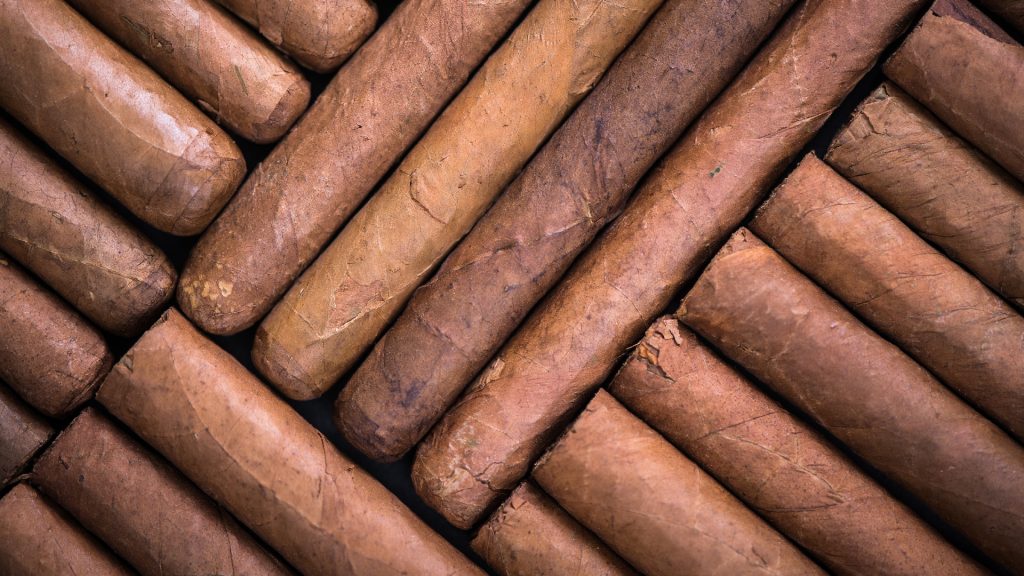
The story of handmade cigars is the story of craftsmanship passed through generations. It is a quiet history, told not in headlines but in the skilled movements of artisans, the scent of aged tobacco, and the slow burn of a perfectly rolled cigar. Handmade cigars are not just a product. They are a legacy.
Origins in the New World
Tobacco has been cultivated and smoked by indigenous peoples in the Americas for thousands of years. The earliest forms of cigars were simple rolls of tobacco leaves, often used in rituals or as medicinal tools. When Christopher Columbus arrived in the Caribbean in 1492, his crew encountered local tribes smoking tobacco wrapped in dried leaves. They brought the plant and the practice back to Europe, where it quickly gained popularity.
What began as curiosity soon became an industry. By the 1600s, tobacco was being cultivated in the Caribbean and Central America. Cuba, with its ideal climate and fertile soil, emerged as the most prized location for cigar production. The handmade cigar was born out of this environment— a blend of agricultural excellence and human craftsmanship.
Rise of the Cuban Tradition
In the 18th and 19th centuries, Havana became the capital of the cigar world. The Cuban cigar was recognised for its deep flavour, complexity, and balance. Factories were established, each with its own closely guarded blends and techniques. Inside these factories, rollers known as torcedores crafted cigars by hand, often working in teams and trained through strict apprenticeships.
These artisans treated the craft with reverence. Each cigar was a product of knowledge and instinct. The selection of the wrapper, the placement of the filler, the pressure of the roll, all influenced the final experience. No machine could replicate the precision and feel required. It was work done by the senses.
The Dominican and Nicaraguan Evolutions
Following the Cuban Revolution in the late 1950s, many cigar families and master rollers left Cuba, bringing their skills to other countries. The Dominican Republic, Nicaragua, and Honduras became new centres of excellence. These regions adopted traditional Cuban methods but developed their own identity. The Dominican Republic in particular grew into a global leader, known for smooth, balanced cigars with rich flavour complexity.
Handmade cigars in these regions are crafted with the same pride and attention as those in pre-revolutionary Havana. Factories remain relatively small and personal. Leaves are still fermented in wooden barrels, aged in cedar rooms, and hand-rolled at worn wooden tables. The process has not changed much in over a hundred years.
A Craft Preserved
Today, handmade cigars continue to represent the highest tier of tobacco artistry. While machine-made cigars serve the mass market, handmade cigars speak to those who value authenticity and tradition. The industry is smaller than it once was, but it is also more focused, more refined.
In a world where automation is becoming the norm, the handmade cigar endures. It endures not because it cannot be replaced, but because it should not be. It is a celebration of human skill, of time, and of something beautifully imperfect. Each cigar tells a story that cannot be written by machines. Only by hands that know.